

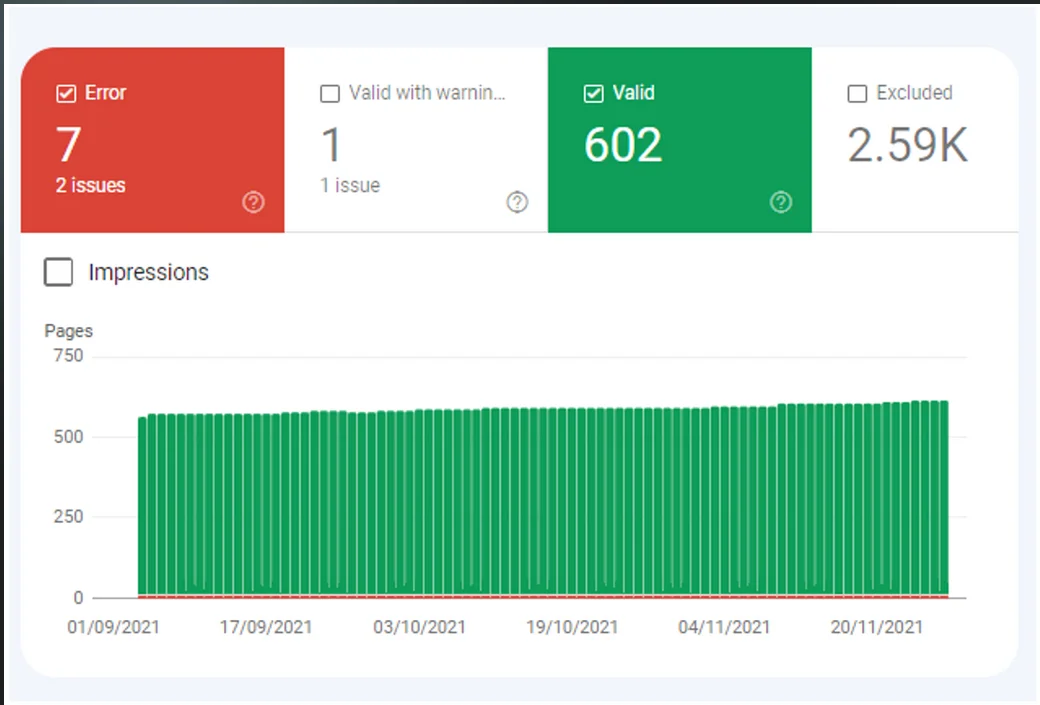
Quick Summary (TL;DR): Hidden technical SEO errors like broken 404 pages, thin content with low word counts, duplicate title tags, and slow site speeds block search engine crawlers and tank your rankings. Fixing these issues is simple: run regular audits using tools like Google Search Console or Ubersuggest, set up 301 redirects for broken links, expand thin pages with in-depth answers, write unique title tags for every page, and optimize your site speed. Addressing these roadblocks clears the path for smooth crawling, better user experience, and higher search rankings.
Fully Explore
Ever wonder why your website isn't ranking, even though you have great articles? You might be doing everything right with your content, but invisible technical glitches could be dragging you down.
When search engine bots visit your site, they want a smooth, fast, and clean experience. If they run into roadblocks, they stop crawling, and your rankings drop.
To help you fix these invisible roadblocks, let's break down the most common hidden SEO errors one by one and look at how you can solve them easily.
1. Broken Pages (404 Errors)
Imagine walking into a store and finding an empty room with a "Dead End" sign. That is exactly how search engine bots and users feel when they land on a broken page.
- The Problem: When links point to pages that no longer exist (or URLs that were changed without a redirect), it wastes your site's "crawl budget" and frustrates visitors.
- How to Fix It: Run a routine technical audit using a tool like Ubersuggest (rel="nofollow") or Google Search Console to find broken links. Once you find them, either restore the page, set up a 301 redirect to a relevant working page, or fix the typo in your internal links.
2. Low Word Counts (Thin Content)
Search engines love depth and value. If a page only has 50 or 100 words, search bots assume it doesn't offer enough helpful information to answer a user's query.
- The Problem: "Thin content" fails to satisfy search intent, meaning Google won't bother pushing it to the first page.
- How to Fix It: Review your pages with very low word counts. Ask yourself: Does this truly answer the user's question? If not, expand the content by adding helpful details, FAQs, or practical examples. For a deeper dive into optimizing your web pages, check out our guide on Pak SEO Training.
3. Duplicate Titles
Having the same title tag across multiple pages is like having identical name tags on five different people in a room—it completely confuses search engines.
- The Problem: When Google sees duplicate title tags, it doesn't know which page to prioritize, so it often ends up ranking neither of them properly.
- How to Fix It: Give every single page on your website a unique, compelling title tag that accurately describes what that specific page is about. Keep your primary keyword naturally integrated near the front of the title.
4. Site Speed Issues
Nobody likes waiting for a slow website to load, and search engines certainly don't either. If your pages take forever to open, users will bounce back to search results immediately.
- The Problem: Heavy images, unoptimized code, and sluggish hosting servers slow down page delivery, severely hurting your user experience and mobile rankings.
- How to Fix It: Compress your images before uploading them, leverage browser caching, and clean up unnecessary plugins. A fast-loading site keeps users happy and encourages search engines to crawl your pages much more frequently.
Conclusion
Fixing these hidden technical errors doesn't have to feel overwhelming. By tackling broken pages, beefing up thin content, fixing duplicate titles, and speeding up your site, you clear the path for search engines to crawl and rank your website effortlessly.
Want to master more advanced strategies? Explore our other tutorials and resources on Pak SEO Training to take your digital marketing skills to the next level!
Leave a Reply